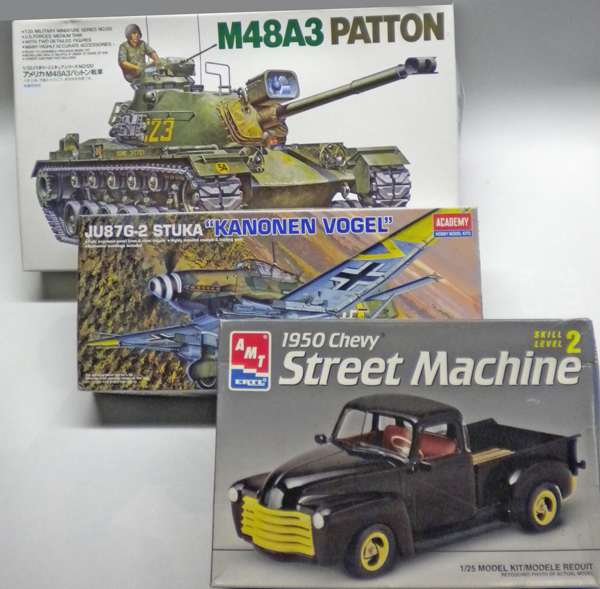
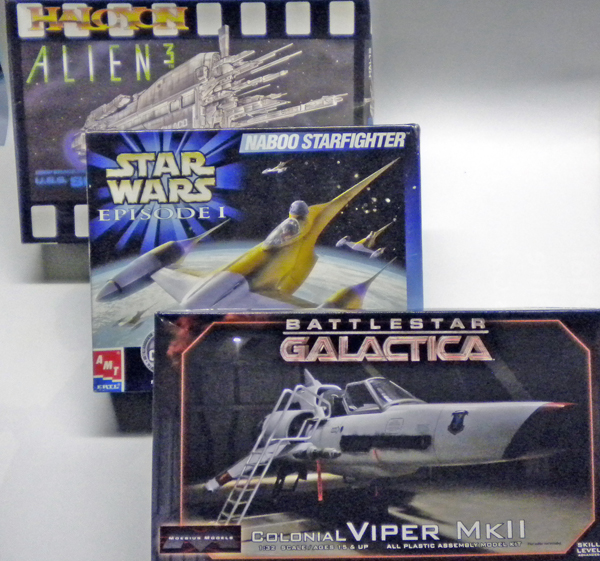
How can you get off to a good start when choosing a model kit? First, you can decide to build a collection at a specific scale. But you can also switch from one scale to another and from one subject to another, which lets you test your skills and see which style you’re most adept at and feel most comfortable with. Not to mention that the more you practice, the better you get. Even if your first models don’t turn out perfectly, you’ll make progress quickly. Here are a few ways to get started and get the supplies you need without breaking the bank. It’s not always best to follow the assembly instructions step by step. Two-part pieces should first be worked on separately (gluing, filling, and painting to completely eliminate the seams). After that, logic will guide you as you work toward the final result. Will the model stand alone on a base? Will it be placed in a diorama? Will it have a specific pose? All of this determines the final look of the display. Happy building!!
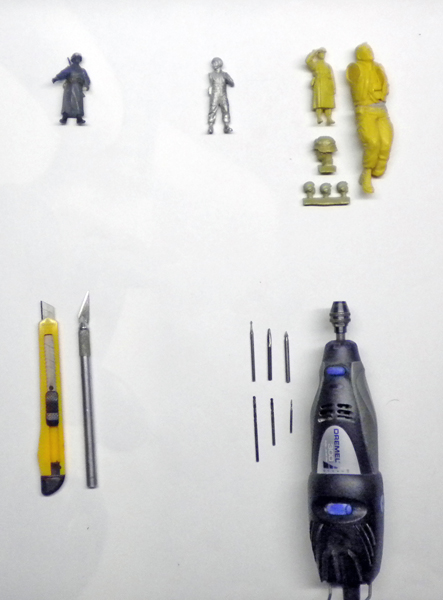
Examples of figurines: plastic – lead – resin
For plastic figurines, the basic tools—including a simple utility knife or scalpel, a pair of pliers, and 320-grit sandpaper—will suffice.
For lead and resin, a drill used for sanding, drilling, and deburring will be essential... It's also very useful for plastic...
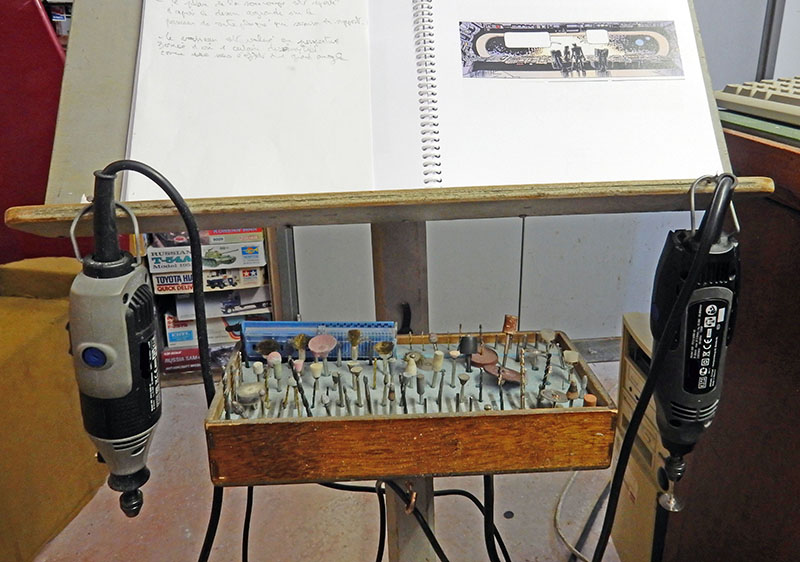
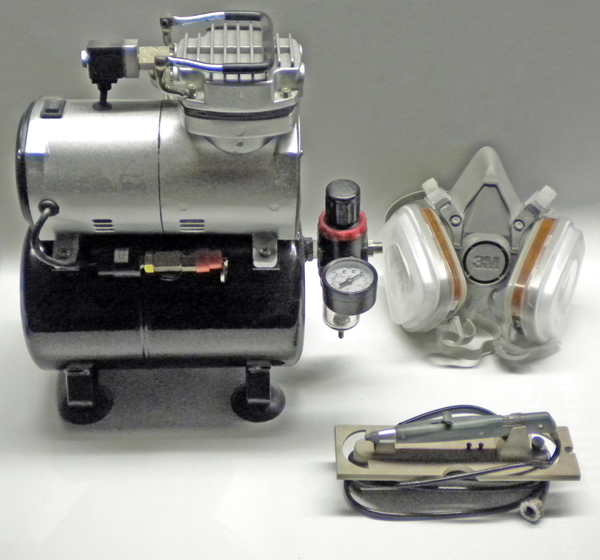
With such a wide selection of models to choose from, an airbrush and a compressor are still very useful for applying layers of paint. THEY’RE ESSENTIAL if you want a perfect finish. And what about camouflage patterns! Anything is possible with an airbrush. Opt for compressors with an air tank—the larger the tank, the less air you’ll use, and the smoother the airflow will be...
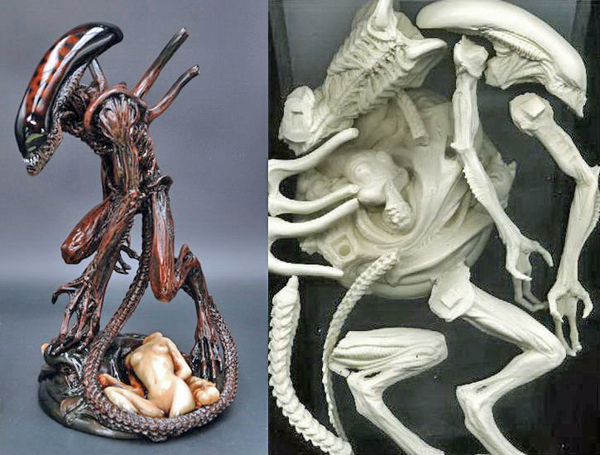
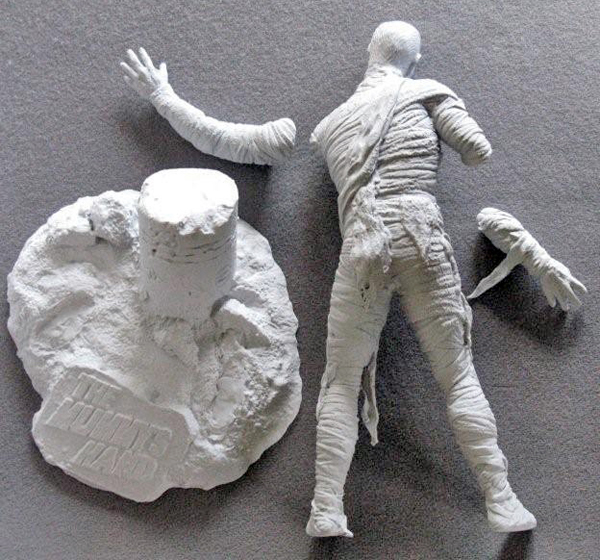
Some large figurines can be painted simply by hand with a little (or a lot) of skill. You should always apply a base coat—preferably white—to make the colors pop...
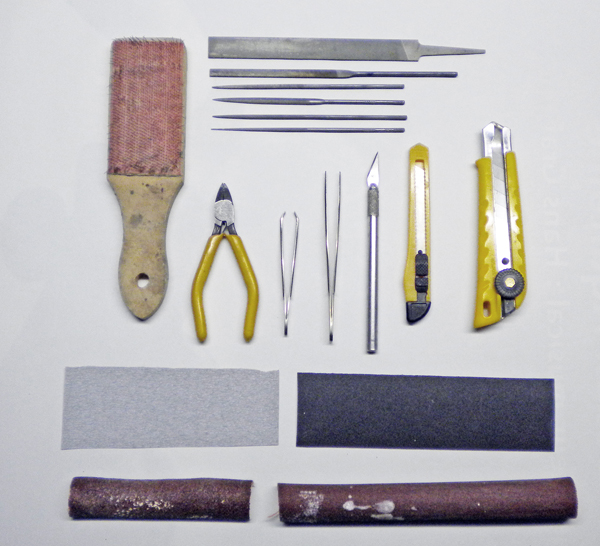
A selection of basic tools for model building.
Sandpaper used:
- water-filled 180 – 240 – 320 – 400
- dry: 80 – 150 – 240 – 320
Note: For certain models and figurines, you may need to use 500- to 800-grain water-soluble paper (e.g., car bodies)...
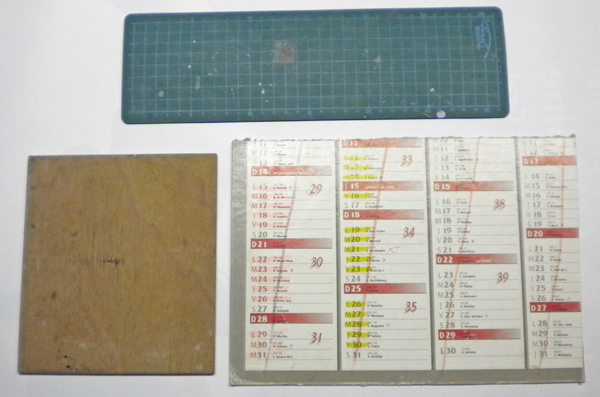
Work surfaces: from the most economical to the most expensive—a calendar box, a wooden board, and a cutting mat...
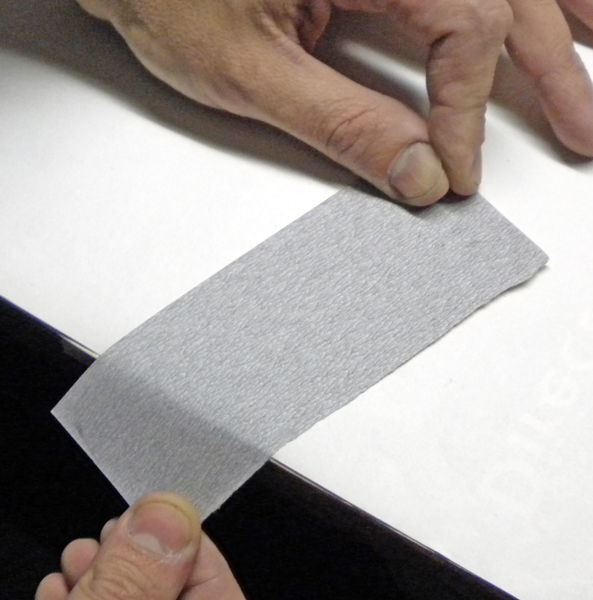
To make dry sandpaper last longer, “break” it along the edge of a table—this will make it much more flexible, and it will last longer.
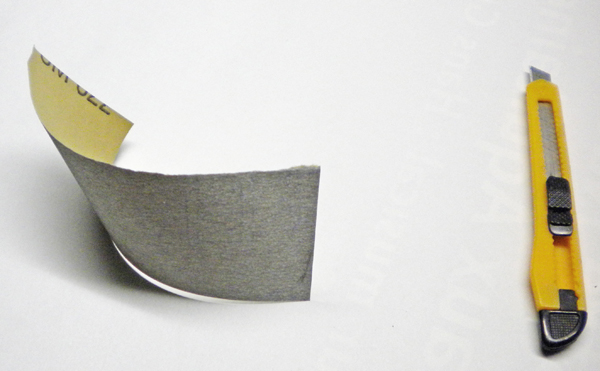
Result...
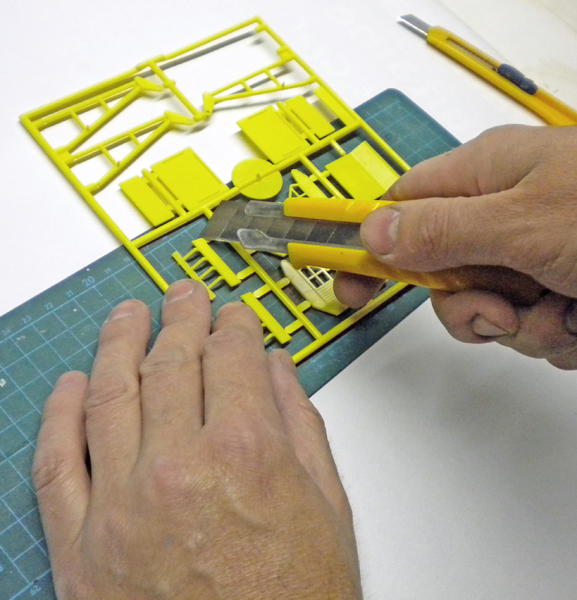
How to cut the pieces: Place the cluster flat on the cutting mat... But here...
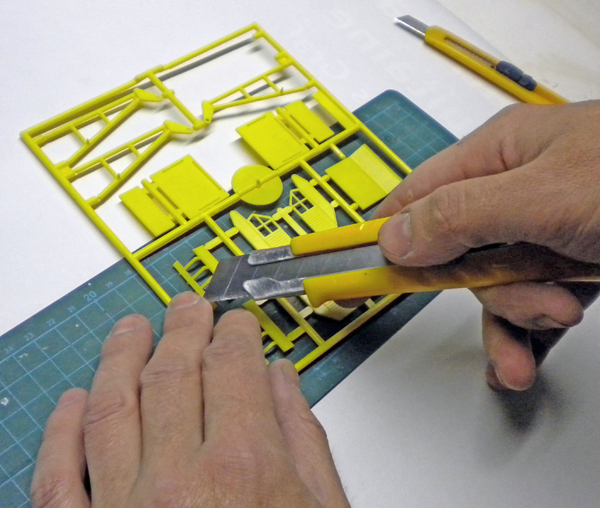
... If you slip... you'll cut your finger!
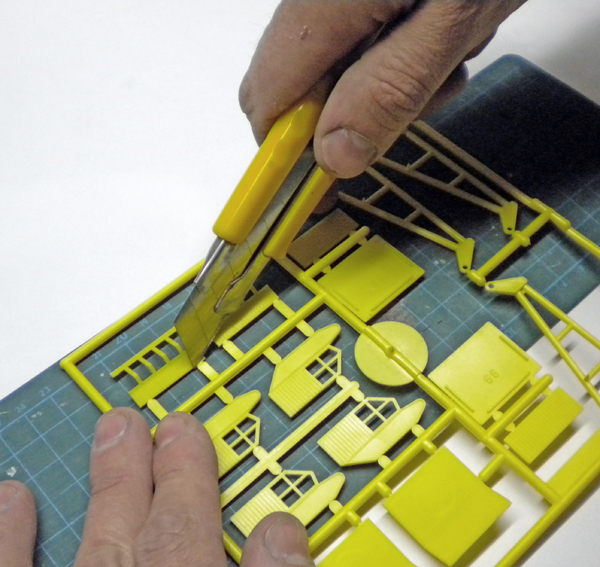
The correct position for safely cutting pieces...