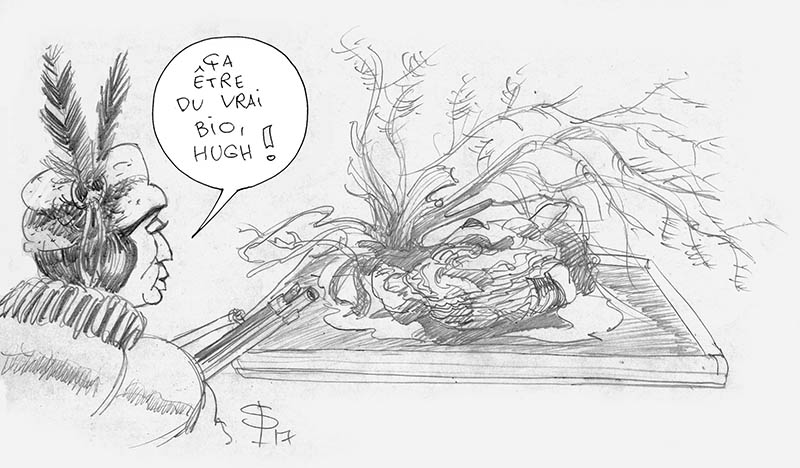
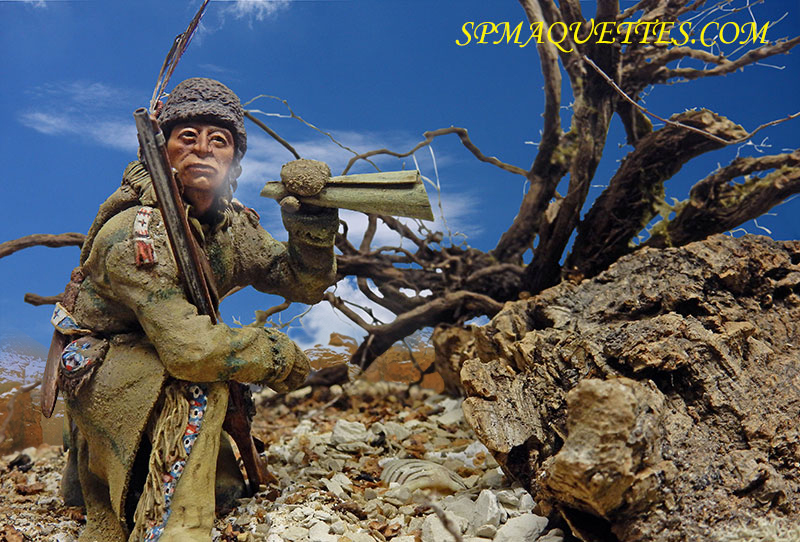
That's really organic, Hugh!Creating a natural setting will enhance your displays without breaking the bank. Here, all the items were gathered in the woods—except for the cat litter...
From left to right and top to bottom: birch seeds for leaves, dried plants for shrubs, elongated mosses, "pierruche" (a binding agent for cut-stone joints), cat litter, root, heather soil and various debris, lichens collected from trees and dried, cork oak bark, a piece of old natural wood...
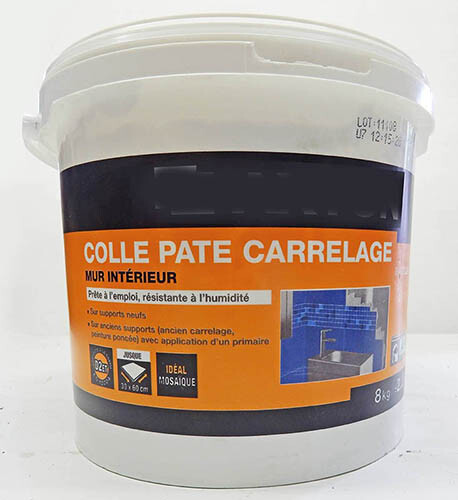
The ideal product to use with Polyfilla is tile adhesive, which is available in ready-to-use tubs like this one or in bags that you can mix yourself as needed.
It dries in a few hours, giving you plenty of time to "plant your plants" at your own pace...
We arrange the pieces on a piece of plywood that has been coated with a layer of primer to set the scene...
Then, once everything has been laid out, arrange the large pieces (cork and wood) and apply the tile adhesive, inserting various stones of different sizes...
An unusual item is inserted—in this case, bones...
Next, we spread out the "piérruche" on the sandy side, along with the heather soil and the leaves...
Add the leaves, sprinkle some more sand, and place the lichens and various shrubs...
Use a spray bottle to apply white glue (wood glue diluted with water and a few drops of dish soap) to the entire assembly to hold everything together...
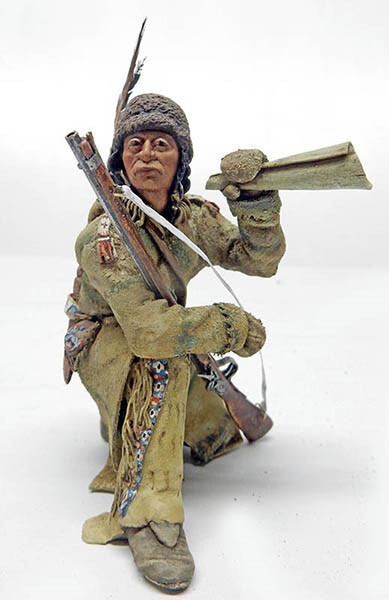
The main topic is set. A superb 120mm-scale Indian figure from the Pilipili brand. A resin kit to assemble and paint.
The rifle sling is made of lead sheet and painted...
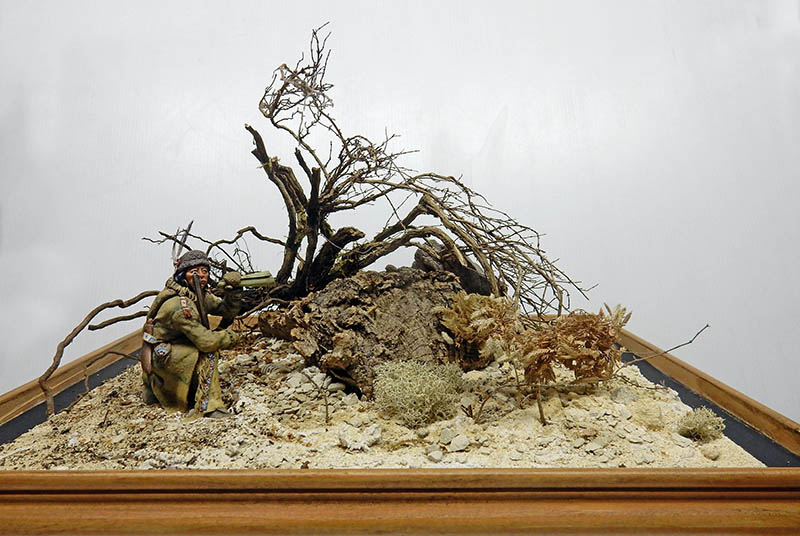
Secure the "tree" with fast-setting wood glue and place the Indian figure in the scene...
Add a few leaves and some random bits and pieces, and the little scene is complete...
Here, aside from the figurine, no paint is used. The setting speaks for itself. Fall colors, the onset of the cold weather before the snow...