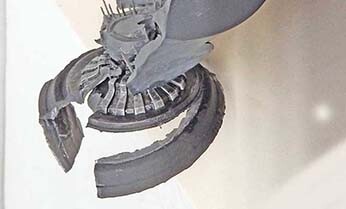
Problems with 3D-printed figurines...
"Resin tank" process (3D ELEGOO, ORIGINE ONE, PRUSA SL1, FORMLABS, DLS, etc.)...
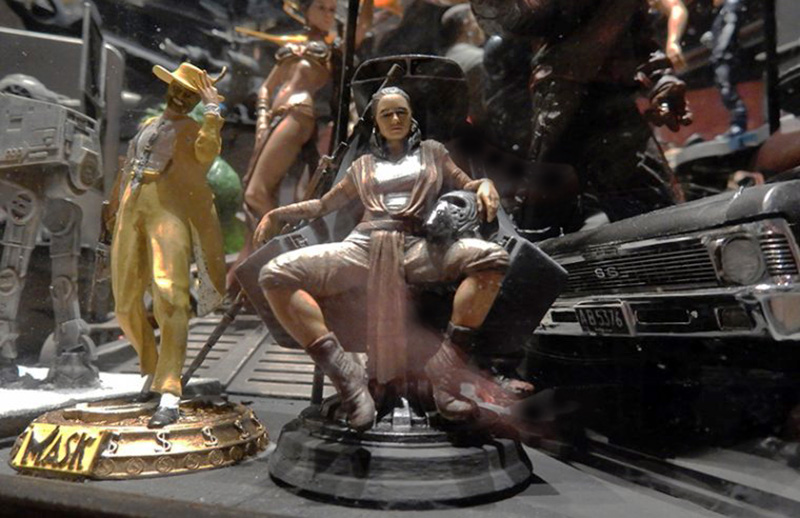
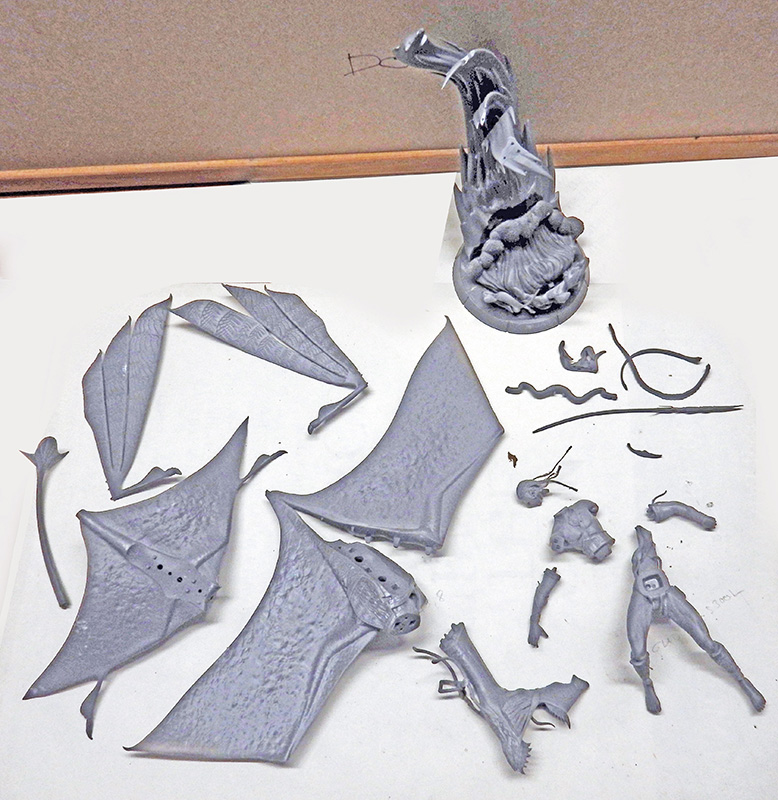
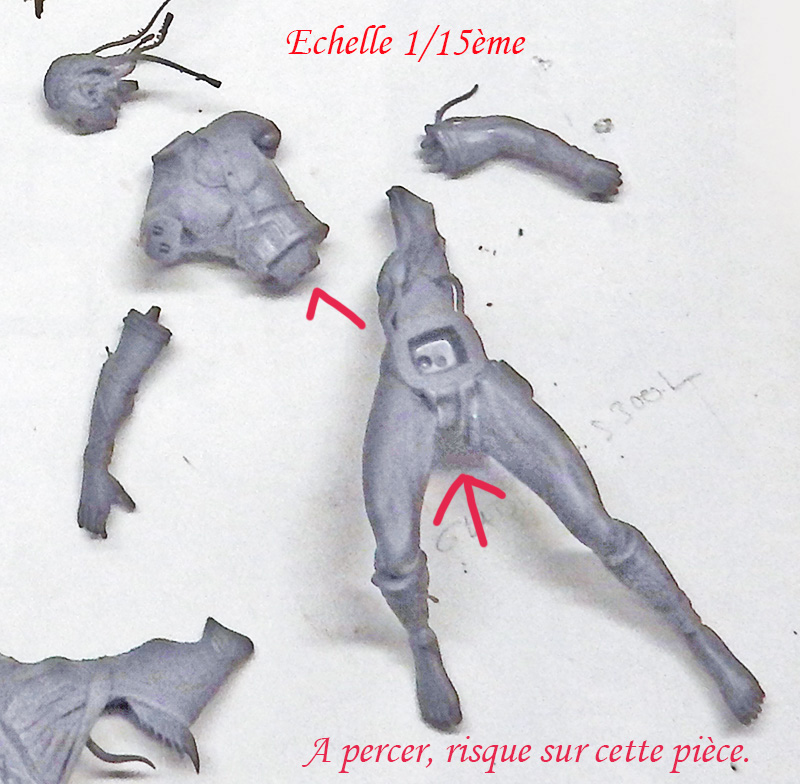
For certain figurines, objects, and sets printed using this technique—when the pieces are large—in order to save on material, the largest parts are sometimes hollow...
Cela peut présenter deux (gros) inconvénients :
1.Des renforts d’une dimension adaptée doivent être imprimés au sein de ces volumes afin de garantir une certaine stabilité dimensionnelle du modèle.
Case No. 1
Undersized scales will not be able to accommodate the material’s defined shrinkage during final curing; this poses a risk of deformation, as well as the model splitting open or tearing.
Note: Depending on the quality of the resin used and other factors (shortening the UV exposure time, printing at low temperatures, etc.), the object may warp or break over a very long period of time…
Case No. 2
If uncured resin remains trapped within the object, it will NEVER HARDEN. This could affect the part’s long-term durability AS WELL AS LEAD TO CONTINUOUS EMISSIONS OF CHEMICAL VAPORS.
 |
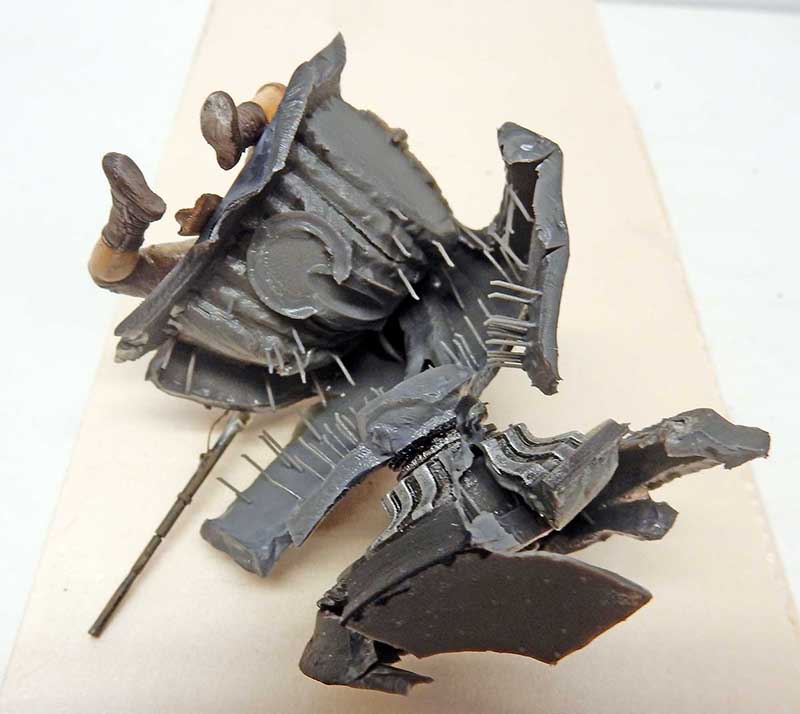 |
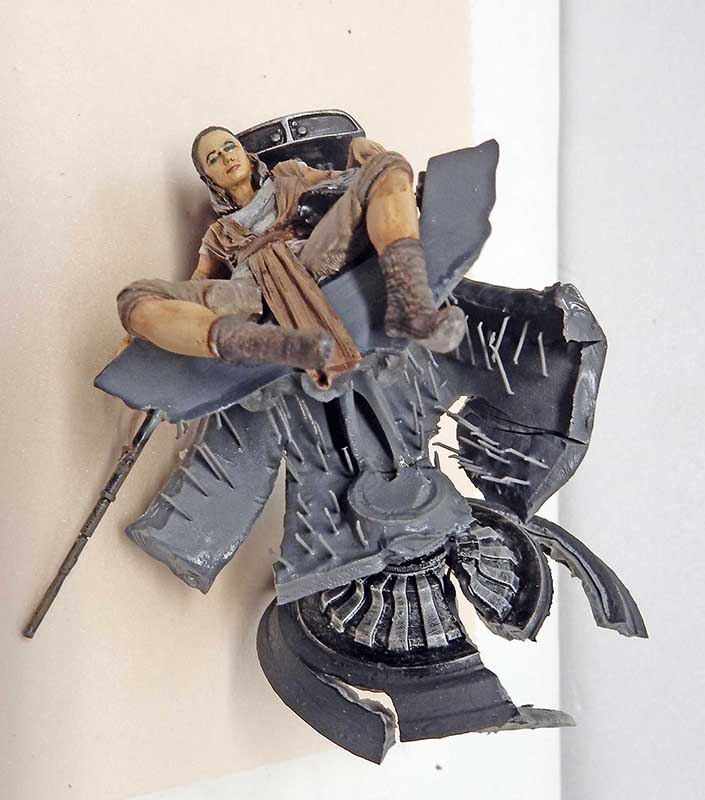
Après environ 20 mois, cette résine à l'échelle 1/24 achetée dans le commerce a littéralement "implosé". Le trône s’est ouvert et déchiré. Les renforts n' étant pas assez nombreux…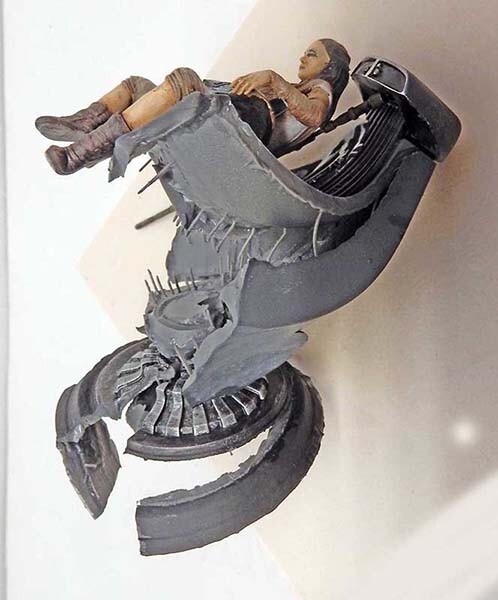
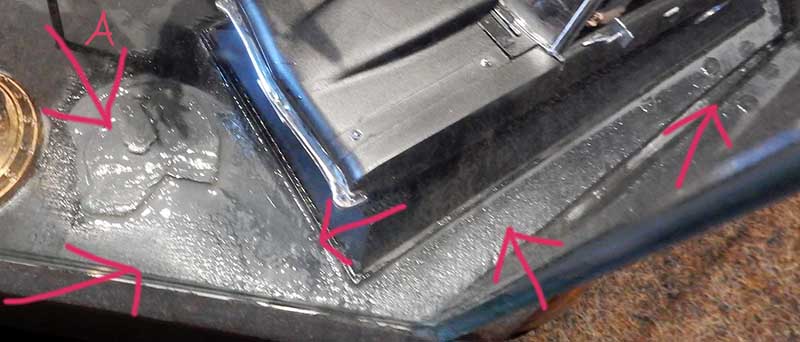
The photo on the right shows the spot where the model was glued (A) and where the resin flowed onto the base. A “soft” piece is still in place. The spilled resin is still liquid and active; it will never dry and is therefore harmful...
 |
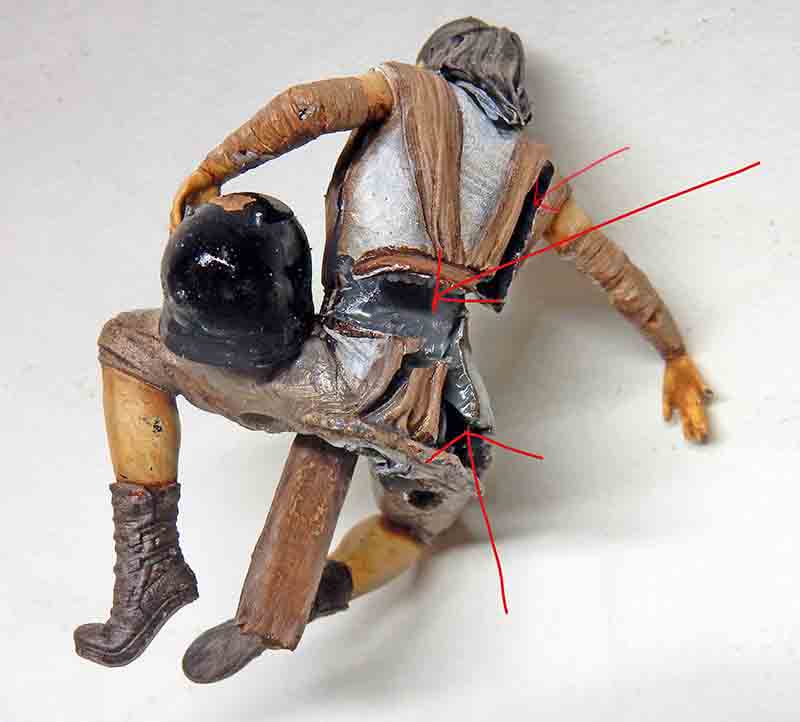 |
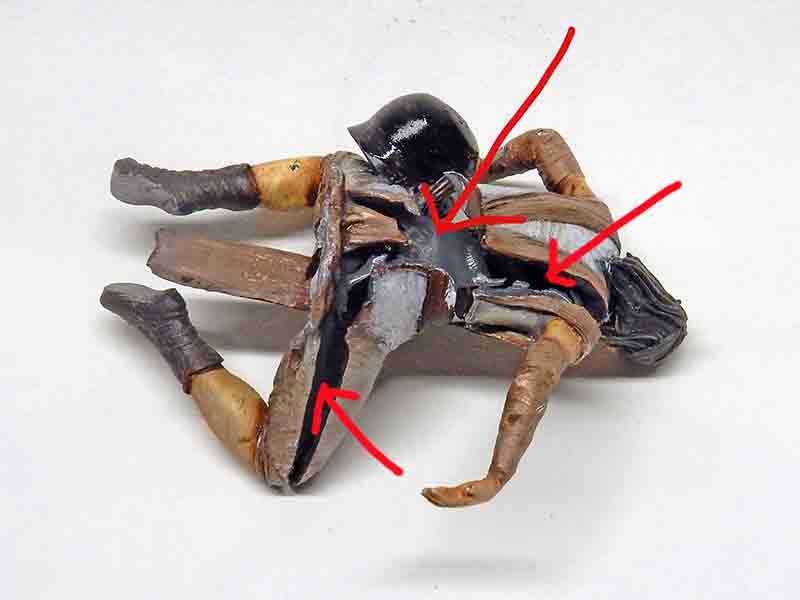
The figurine wasn't spared either; it split open and swelled up...